
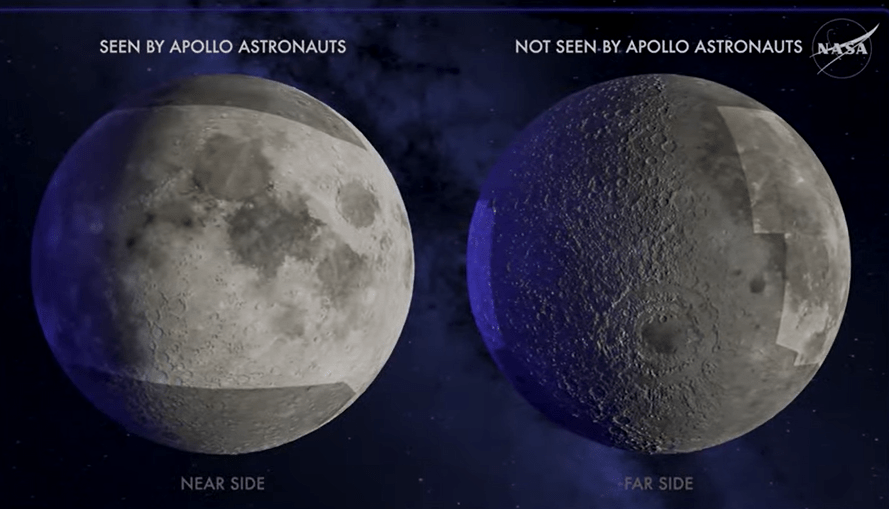
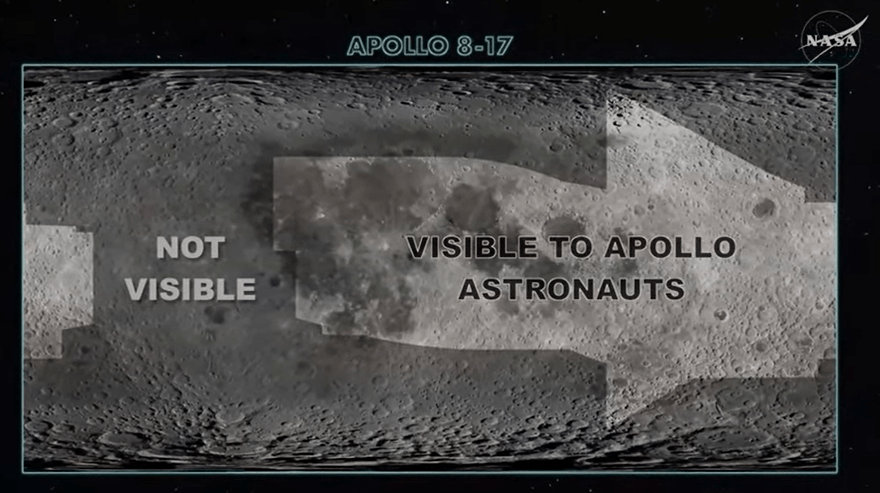
Today the crew of Artemis II mission will view the Far Side of the Moon more fully and for the first time since the 1972 Apollo 17 mission to the Moon.
Last time, Apollo 17 was so close to the Moon’s surface, about 110km, that the crew had a limited view of it, but this time Artemis II’s Orion spacecraft will be over 4000 miles from the surface so that the crew can view the whole Lunar disc, seeing areas and features never before seen by unaided human eyes. Its nearest approach will be 4,067 miles, more accurately calculated just before Orion went round the back of the Moon and confirmed after the event.
Today the Orion Spacecraft and its crew will surpass the longest-ever human travel around the Moon by Apollo 13 in 1970.
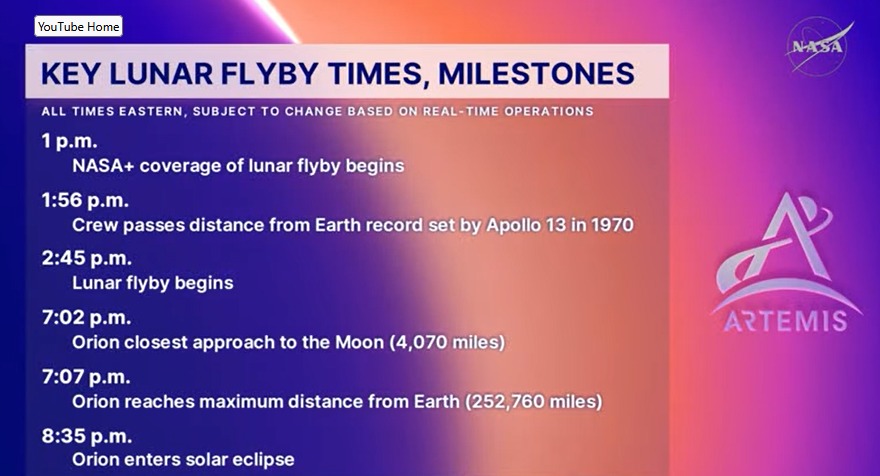
US Eastern Time is 5 hours behind current British Summer Time.
The Orion spacecraft is now in “the Lunar sphere of influence”, pulled more by Moon’s gravity than Earth’s. The crew has named the Orion spacecraft as Integrity. You can track it in real time here.
“Praise the LORD. Praise the LORD from the heavens: praise Him in the heights.”
Psalm 148
1 The Lord of heav’n confess,
On high His glory raise.
2 Him let all angels bless,
Him all His armies praise.
3 Him glorify
Sun, moon, and stars;
4 Ye higher spheres,
And cloudy sky.5 From God your beings are,
1650 Scottish metrical second version of Psalm 148
Him therefore famous make;
You all created were,
When He the word but spake.
6 And from that place,
Where fix’d you be
By His decree,
You cannot pass.
7 Praise God from earth below.
Links:
1 Apr 2026: NASA launch.
A diagram of the Artemis II Flight Path throughout its mission.
Current live streaming. 6 Apr 2026: 2:13 p.m. BST 22,000 miles away from the Moon. 3:37 p.m. 19,000 miles from the Moon.
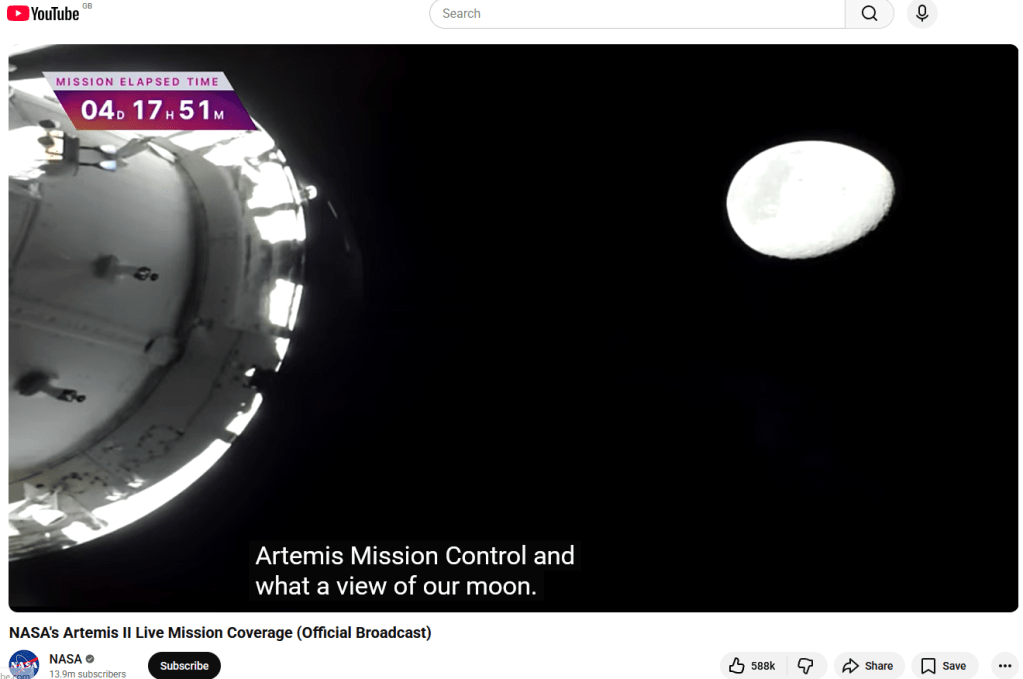
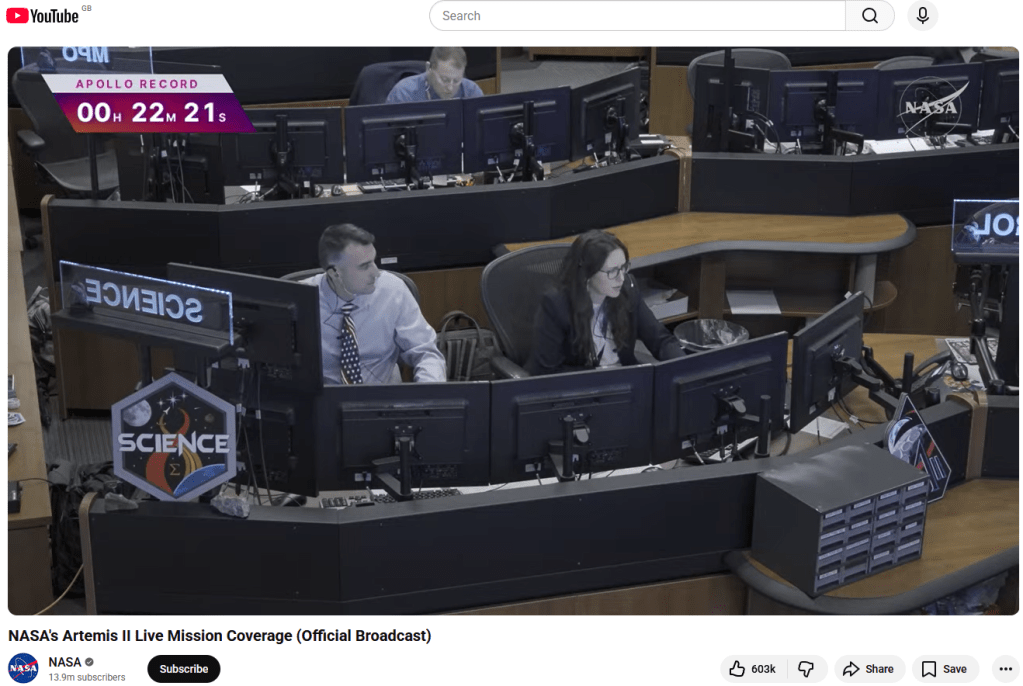
6:37 p.m. BST: 22 minutes from bypassing the Apollo 13 record distance. Dr Kelsey Young is the lead for NASA’s Science Mission Directorate, at this point overseeing and confirming the upcoming photographic imaging.
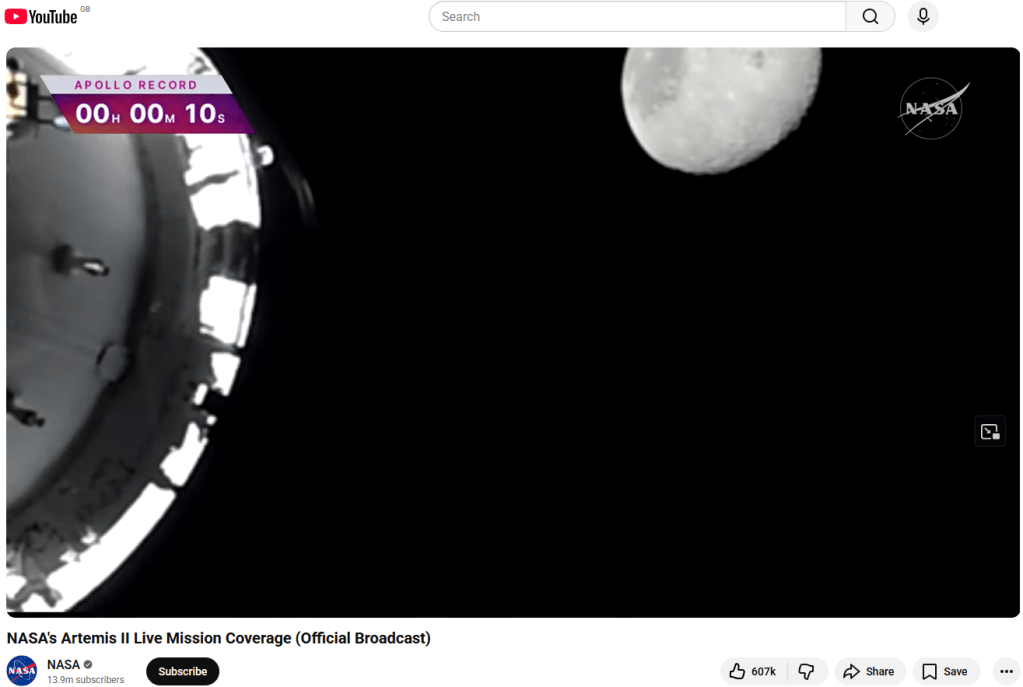
6:57 p.m. BST: the countdown clock stopped displaying with 10 seconds to go.
Flyby and its purpose
Orion’s Flyby’s speed was 3,139 mph relative to the Moon, during which time the crew observed and photographed multiple target sites on the Moon’s surface to investigate the surface geology of the Moon. It is worth recalling that all of earthly life exists within the narrow surface geology of the Earth and its narrow atmosphere. We know of no life of any sort anywhere else in the Universe, except on the Orion spacecraft! for these 10 days of the Artemis II mission. All humanity is in the following photograph.
11:41 p.m. BST: the first live view of Integrity, the Moon and the Earth in one photograph
The Flyby LOS
Just before Loss of Signal, Pilot Victor Glover reminded his listeners of one of the mysteries in the Universe – love on Earth. Jesus Christ in response to, What is the greatest command? said to love God with all that you are, and Jesus “being a great Teacher”, He said the second commandment was equal to it, to love your neighbour as yourself. Drawing upon this, he said that Orion’s crew felt the love from Earth and “we love you from the Moon” – described by Mission Control as a Love letter from the other side of the Moon all the way to the Earth, three minutes before Loss of Signal, with the comment “How great Thou art”.
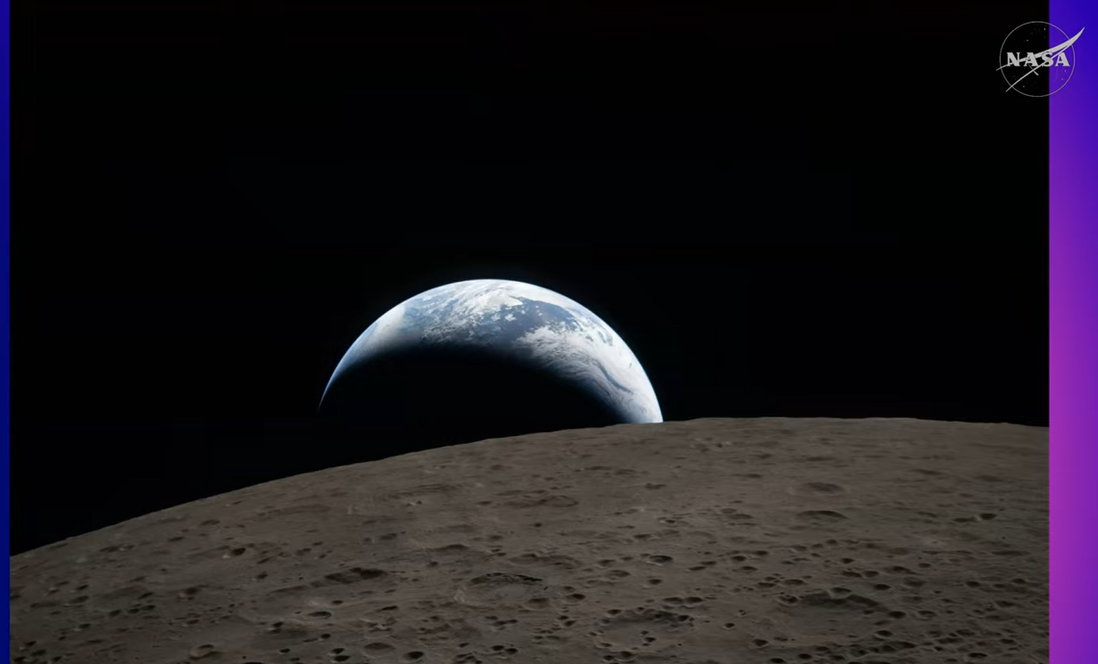
The crew photographed Earthset just before Integrity disappeared behind the Moon with LOS Loss of Signal. LOS lasted about 40 minutes during which time 1. Integrity’s closest approach to the Moon, at MET (Mission Elapsed Time) 5 days 0hrs 25mins 34seconds was 4,067 statute miles, and 2. its furthest distance from Earth at MET 5 days 0hrs 27mins 39seconds was 252,756 statute miles, which was 4,112 miles further than Apollo 13. As it comes out of LOS, it will photograph Earthrise, recalling Apollo 8’s iconic Earthrise photograph from much closer to the Moon, and it will begin its return to Earth under Earth’s gravitational pull.
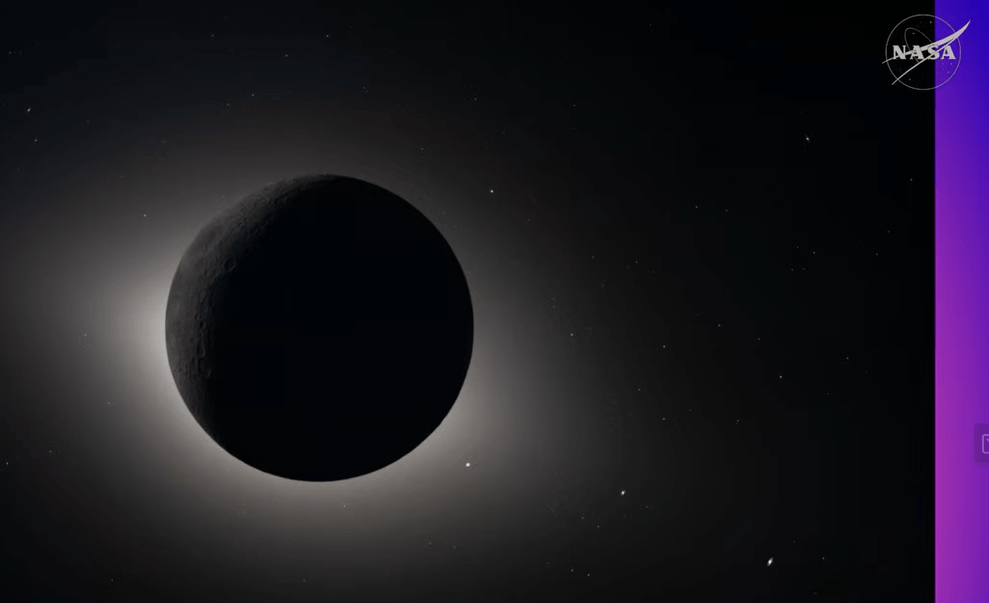
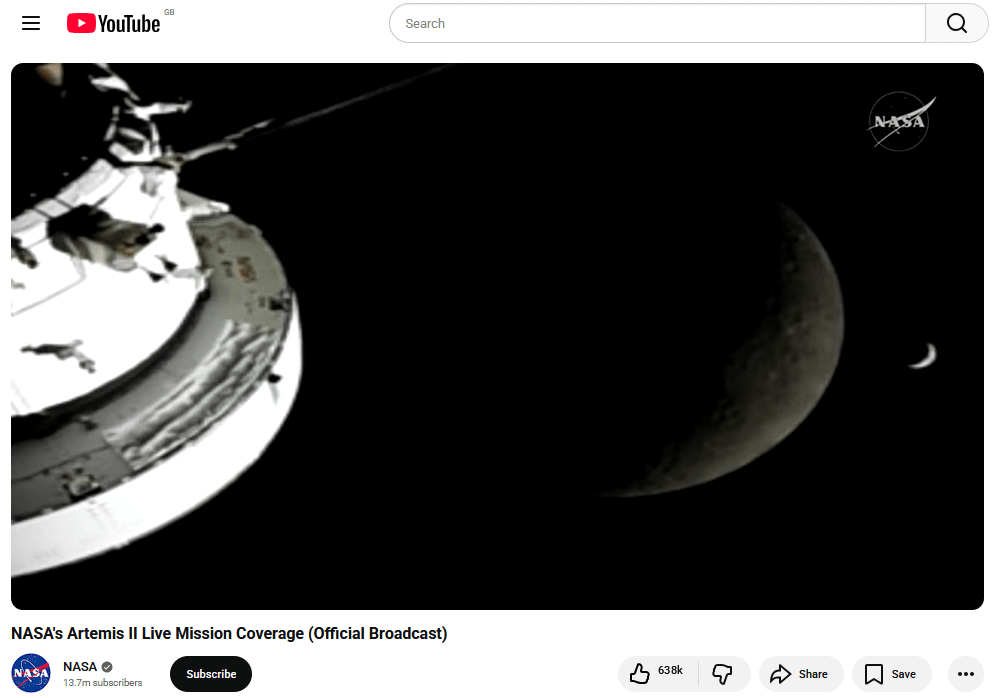
On its return from the Moon to Earth, Orion experienced the first Solar eclipse seen from the Moon, lasting 54 minutes of totality because the Moon is so close and appears so much larger than the Sun. This photograph shows Earthshine on the Moon. The Sun’s light reflects off the Earth, which the crew reported as very bright, and reflects back to the Moon so that a crescent of light can be seen on the Moon, which is not completely black because of this Earthshine, described as “amazing” by the crew. They could see “the majority of the surface of the Moon” because of this Earthshine.
Here is a historical video about Artemis I and II with plans for Artemis III and IV: the most complex engineering feat so far in human history.
Two recent solar eclipses in America 2017 and 8 Apr 2024, which was almost exactly two years ago.
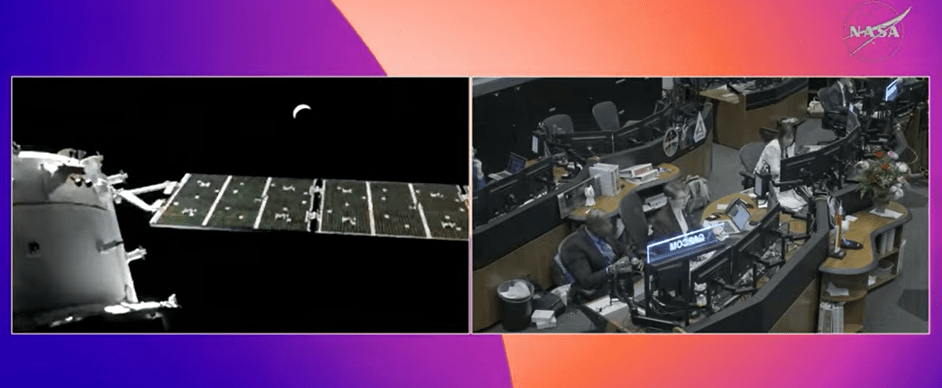
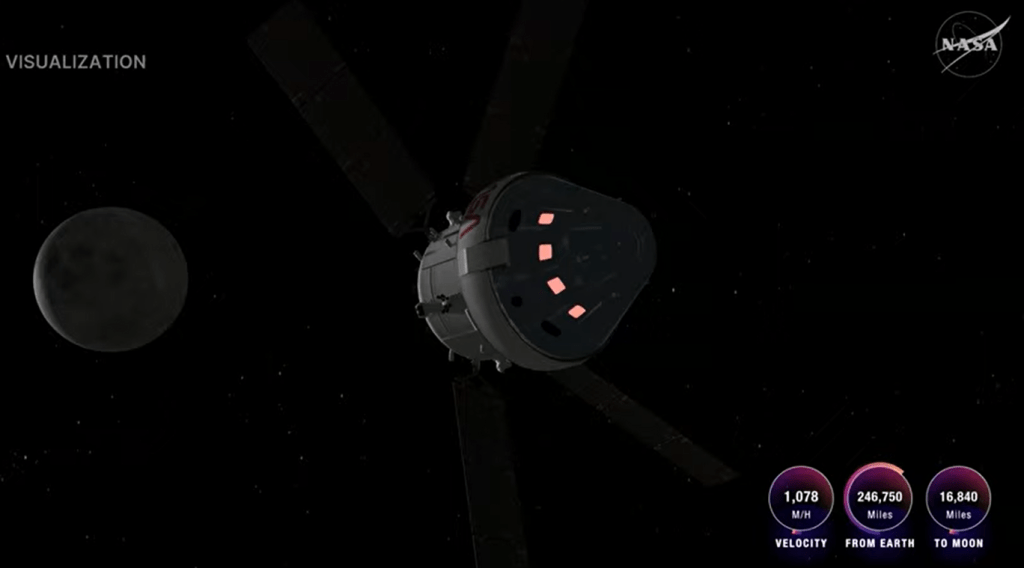
Friday 10 Apr 2026 – Flight Day 10
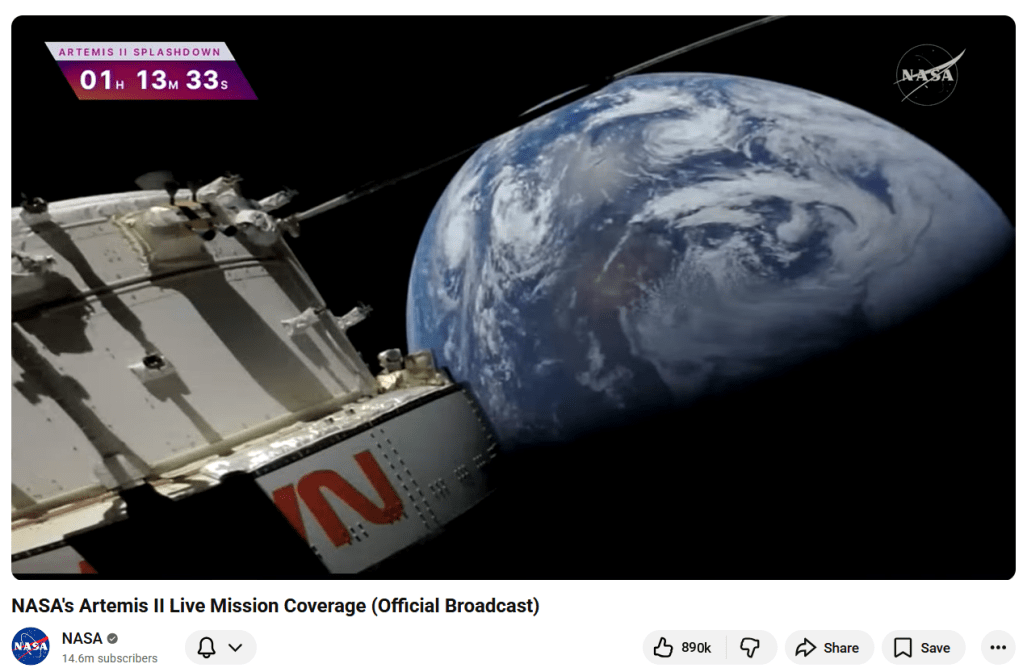
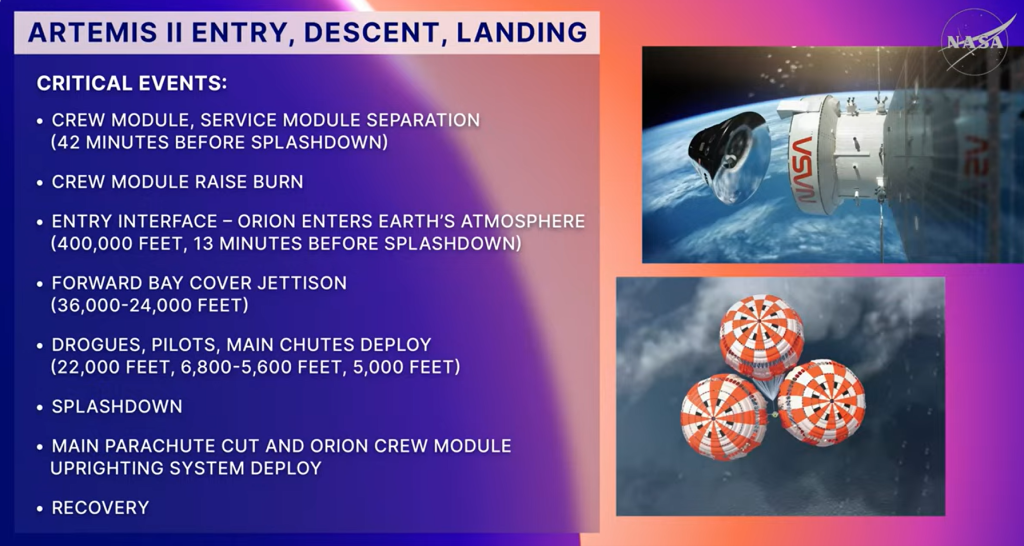
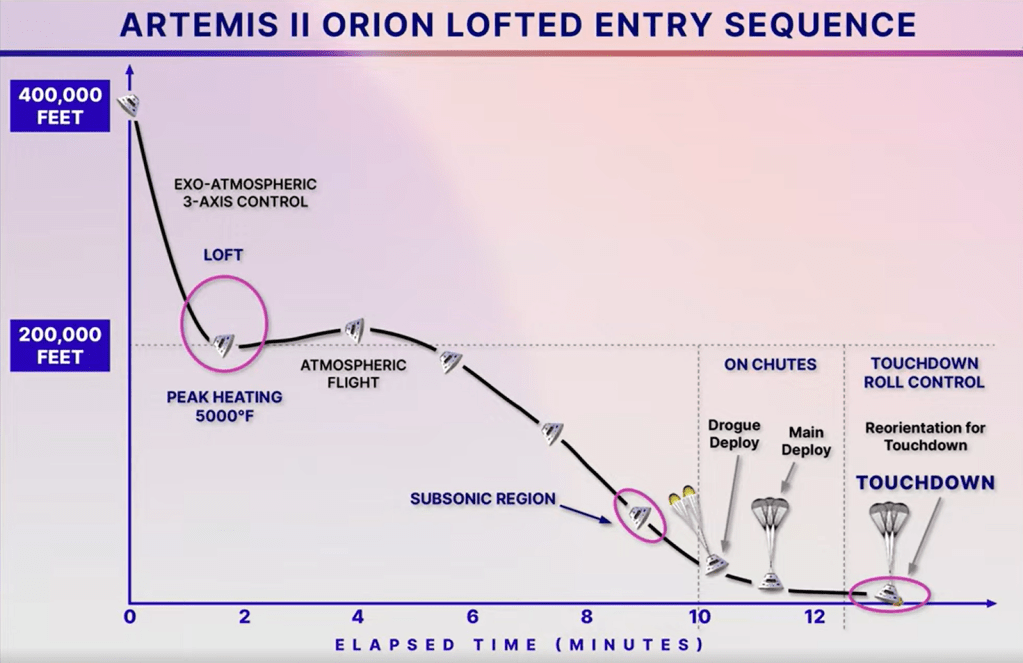
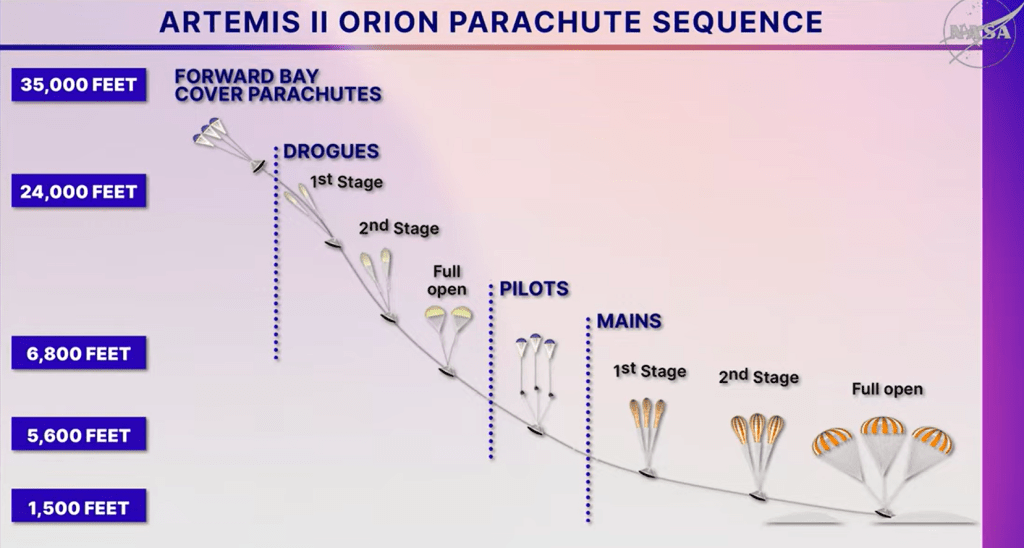
Parachute Deployment Sequence
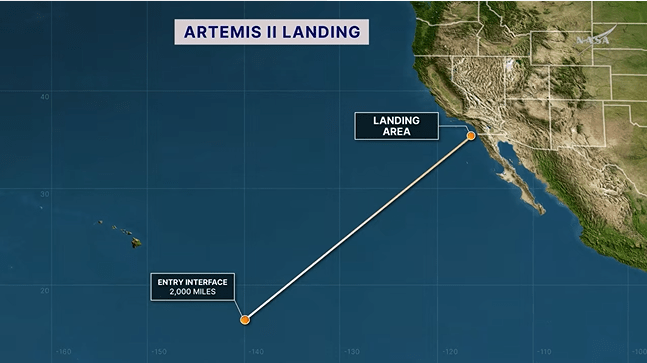
11 Apr 2026: Integrity crew happily back on the ground.
Some of the best images of the Mission although some commentary is wrong, such as the previous most distant mission being Apollo 8 in 1968 instead of Apollo 13 in 1970.

